
Women’s bodies undergo remarkable transformations throughout life, from puberty through reproductive years, pregnancy, and menopause. Each transition brings unique challenges that conventional medicine often addresses with synthetic hormones and pharmaceutical interventions. However, an ancient healing system offers gentle, effective alternatives that honor women’s natural rhythms while supporting optimal health at every stage. Ayurveda’s holistic approach to women’s wellness provides time-tested solutions that modern women are increasingly embracing for their safety, effectiveness, and respect for the body’s innate wisdom.
Understanding Women’s Health Through Ayurvedic Principles
Ayurveda recognizes that women’s physiology differs fundamentally from men’s, requiring specialized approaches to healthcare. The system identifies specific subdoshas or subtle energies that govern female reproductive functions. Apana Vata controls downward movement including menstruation and childbirth. Ranjaka Pitta governs blood quality and hormonal balance. Avalambaka Kapha supports breast tissue and uterine health.
When these subtle energies function harmoniously, women experience regular menstrual cycles, comfortable pregnancies, smooth deliveries, and graceful transitions through menopause. However, modern lifestyle stresses, dietary imbalances, and environmental toxins frequently disturb these delicate systems, manifesting as menstrual irregularities, fertility challenges, menopausal symptoms, and reproductive disorders.
Ayurvedic treatment restores balance through personalized protocols addressing each woman’s unique constitution and specific imbalances. Rather than suppressing symptoms with hormonal manipulations, Ayurveda supports the body’s natural regulatory mechanisms, allowing genuine healing to emerge from within.
Menstrual Health: Beyond Pain Management
Many women accept painful periods, heavy bleeding, or irregular cycles as normal consequences of being female. However, Ayurveda teaches that menstruation should occur naturally without significant discomfort when the body maintains proper balance. Menstrual problems signal underlying imbalances requiring attention before they progress to more serious conditions.
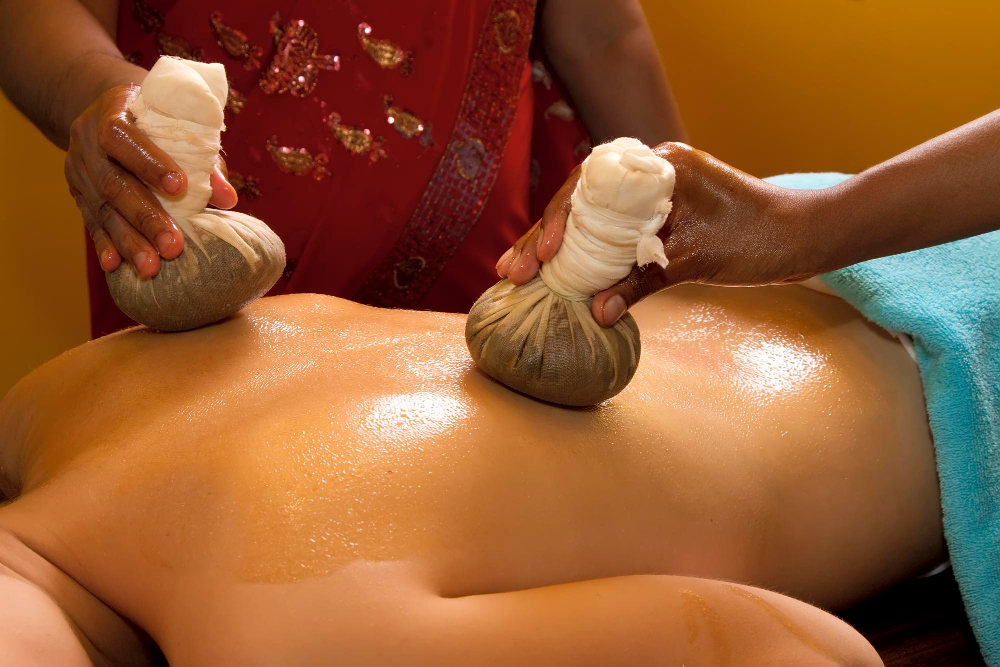
Dysmenorrhea, or painful menstruation, typically results from aggravated Vata dosha causing cramping, anxiety, and irregular flow. Ayurvedic treatment includes warming herbs like Ashoka, Shatavari, and Dashamoola that calm Vata while supporting healthy menstrual function. Abhyanga massage with warm sesame oil before menstruation relieves cramping and promotes emotional balance.
Heavy menstrual bleeding often indicates Pitta aggravation with excess heat in the blood. Cooling herbs including Lodhra, Manjishtha, and Chandana reduce bleeding while purifying blood. Dietary modifications emphasizing cooling foods and avoiding spicy, fermented, or heating substances help restore balance.
Irregular or absent periods frequently stem from Kapha imbalances, hormonal disruptions, or excessive stress affecting Vata. Treatment protocols vary based on underlying causes but typically include hormone-balancing herbs, stress reduction techniques, and lifestyle modifications supporting regular cycles.
PCOS and Fertility: Natural Paths to Conception
Polycystic Ovarian Syndrome affects millions of women worldwide, causing irregular periods, weight gain, excess facial hair, and fertility challenges. Conventional treatment relies primarily on birth control pills and fertility drugs, which address symptoms without correcting underlying metabolic and hormonal imbalances.
Ayurveda views PCOS as a condition involving multiple dosha imbalances, particularly Kapha and Vata disturbances combined with ama accumulation. This understanding leads to comprehensive treatment addressing insulin resistance, hormonal imbalances, and metabolic dysfunction simultaneously.
Effective PCOS protocols include herbs like Shatavari supporting healthy ovulation, Triphala improving digestion and elimination, Guggulu reducing inflammation and supporting metabolism, and Turmeric enhancing insulin sensitivity. These herbal combinations work synergistically to restore hormonal balance naturally.
Dietary modifications prove crucial for PCOS management. Reducing refined carbohydrates and sugars improves insulin sensitivity. Including adequate protein, healthy fats, and fiber-rich vegetables supports stable blood sugar and hormone production. Avoiding dairy products, which can aggravate Kapha, often produces significant improvements.
Panchakarma detoxification specifically targeting reproductive tissues clears accumulated toxins that interfere with normal ovarian function. Uttara Basti, a specialized procedure involving medicated oil administration into the uterine cavity, directly nourishes reproductive tissues while removing obstacles to conception.
Many women with PCOS-related infertility achieve natural conception after comprehensive Ayurvedic treatment addressing root causes rather than merely forcing ovulation through medications. Even those requiring assisted reproductive technologies often improve outcomes by optimizing overall health through Ayurvedic support.
Pregnancy and Postpartum: Nurturing New Life
Ayurveda dedicates extensive attention to pregnancy care, recognizing this period as crucial for both maternal health and optimal fetal development. The traditional text Garbha Sanskar provides detailed month-by-month guidance supporting healthy pregnancy through appropriate diet, lifestyle practices, and gentle therapies.
Prenatal Ayurvedic care emphasizes proper nutrition ensuring adequate building blocks for fetal growth while maintaining maternal digestive strength. Abhyanga massage using pregnancy-safe oils reduces discomfort, prevents stretch marks, and promotes emotional well-being. Specific herbs like Gokshura support kidney function and prevent urinary issues common during pregnancy.
Morning sickness, when severe, indicates aggravated Pitta or accumulated ama. Gentle herbs including fresh ginger, coriander, and fennel settle nausea without harming the developing baby. Dietary modifications emphasizing small, frequent meals of easily digestible foods prevent morning sickness triggers.
The postpartum period, called Sutika Paricharya in Ayurveda, receives special attention as this vulnerable time significantly impacts long-term maternal health. Traditional protocols support physical recovery, establish breastfeeding, and prevent postpartum depression. Warm oil massage, specific dietary regimens including ghee and warming spices, and adequate rest allow new mothers to recover strength while bonding with babies.
Postpartum Ayurvedic care proves especially valuable for preventing common issues like delayed recovery, persistent bleeding, low milk supply, and postpartum mood disorders. Women receiving traditional postpartum support often report easier subsequent pregnancies and better overall health in later years.
Menopause: Graceful Transition or Challenging Ordeal?
Western medicine typically views menopause as estrogen deficiency requiring hormone replacement therapy. While HRT provides symptom relief, concerns about cancer risks and cardiovascular effects leave many women seeking alternatives. Ayurveda offers a fundamentally different perspective: menopause represents a natural life transition that should occur smoothly when women maintain proper balance.
Hot flashes, the signature menopausal symptom, indicate aggravated Pitta dosha with excess heat throughout the body. Cooling herbs like Shatavari, Brahmi, and Yashtimadhu calm Pitta while providing phytoestrogens that gently support hormonal transition. These plant-based compounds offer benefits without risks associated with synthetic hormone replacement.
Emotional symptoms including anxiety, irritability, and mood swings often reflect Vata disturbances during the hormonal transition. Grounding practices including oil massage, warm foods, regular routines, and Vata-calming herbs like Ashwagandha restore emotional equilibrium naturally.
Bone health concerns during menopause respond well to Ayurvedic approaches including calcium-rich herbs, specific yoga practices strengthening bones, and digestive optimization ensuring mineral absorption. Weight-bearing exercise combined with appropriate diet prevents osteoporosis development without pharmaceutical interventions.
Many women discover that comprehensive Ayurvedic support transforms menopause from a dreaded ordeal into an empowering transition marking entrance into a period of wisdom, freedom, and enhanced creativity.
Uterine and Vaginal Health: Addressing Common Concerns
Fibroids, endometriosis, ovarian cysts, and vaginal infections affect countless women, often requiring surgical interventions or long-term medication. Ayurvedic approaches frequently resolve or significantly improve these conditions through natural means.
Uterine fibroids, viewed as Kapha accumulations with possible Pitta involvement, respond to herbs that reduce Kapha while improving circulation to uterine tissues. Kanchanara Guggulu, a classical formulation specifically targeting abnormal growths, combined with dietary modifications often shrinks fibroids naturally.
Endometriosis, involving displaced uterine tissue causing pain and fertility problems, relates to Vata and Pitta disturbances with ama accumulation. Comprehensive treatment including detoxification, anti-inflammatory herbs, pain management through natural means, and dietary optimization provides relief while addressing root causes.
Vaginal infections including yeast overgrowth and bacterial vaginosis frequently recur despite antibiotic treatment. Ayurvedic protocols restore healthy vaginal flora through internal herbs supporting immunity, external applications of antimicrobial and soothing substances, and dietary modifications reducing inflammation and supporting beneficial bacteria.
Breast Health: Prevention and Support
Breast health concerns including fibrocystic changes, mastitis, and cancer prevention receive attention in Ayurvedic women’s healthcare. Regular self-massage with appropriate oils supports lymphatic drainage and breast tissue health. Specific herbs including Ashoka and Shatavari maintain healthy breast tissue.
For breastfeeding women, Ayurvedic protocols support abundant milk production through galactagogue herbs like Shatavari, fennel, and fenugreek. Addressing blocked ducts and mastitis with gentle external applications and internal anti-inflammatory herbs prevents complications requiring antibiotics.
Emotional and Mental Wellness: The Mind-Body Connection
Ayurveda recognizes deep connections between emotional health and physical well-being, particularly relevant for women facing hormonal fluctuations throughout life. Premenstrual mood changes, pregnancy emotions, postpartum depression, and menopausal anxiety reflect mind-body interactions requiring holistic treatment.
Specific herbal formulations called Medhya Rasayanas enhance mental clarity, emotional stability, and cognitive function. Brahmi, Shankhapushpi, and Jatamansi calm anxiety while supporting healthy brain function. Regular practice of meditation, pranayama, and gentle yoga creates emotional resilience supporting women through life’s transitions.
Creating Your Personalized Women’s Wellness Plan
Beginning Ayurvedic care for women’s health starts with consultation at facilities offering specialized expertise in gynecological Ayurveda. Qualified practitioners assess constitution, current imbalances, and specific concerns to design individualized protocols.
Treatment duration varies based on condition severity and chronicity. Acute issues like menstrual irregularities may respond within one to three cycles, while chronic conditions including PCOS or endometriosis require longer commitment. Most practitioners recommend minimum three to six-month protocols for sustainable results.
Combining Ayurvedic care with regular gynecological monitoring ensures comprehensive healthcare. Many progressive gynecologists now collaborate with Ayurvedic practitioners, recognizing benefits of integrative approaches for optimal women’s health.
From PCOS and infertility to pregnancy care and menopause — get holistic Ayurvedic women’s health treatment at Bharati Ayurved Hospital, Pune. Book your consultation today
Conclusion: Empowering Women’s Health Naturally
Ayurvedic medicine offers women powerful tools for maintaining health throughout all life stages. By honoring the body’s natural wisdom, addressing root causes of imbalances, and supporting innate healing capacities, Ayurveda provides gentle yet effective solutions for women’s health challenges.
Whether you’re dealing with menstrual irregularities, fertility concerns, pregnancy support needs, menopausal symptoms, or general wellness optimization, Ayurvedic approaches offer hope and practical pathways to vibrant health. Consulting experienced practitioners at accredited facilities ensures authentic treatments tailored specifically to your unique needs as a woman.
Embracing Ayurvedic wisdom empowers you to take charge of your health naturally, making informed choices that support your body’s rhythms and promote lasting wellness through every beautiful stage of womanhood.