Panchakarma

Home / Clinical Departments/ Panchakarma

Purification • Rejuvenation • Balance

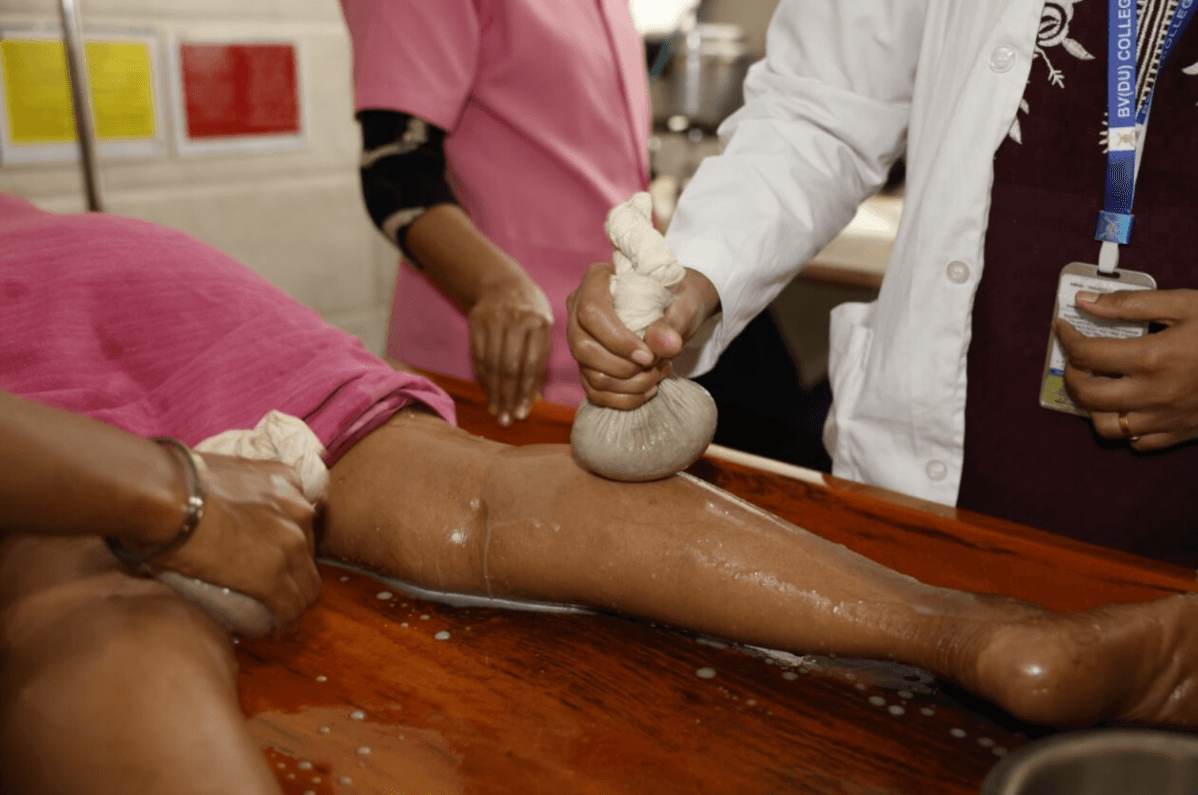
At Bharati Ayurved Hospital, Pune, Panchakarma is practiced in its classical form, as described by Acharya Charaka, Sushruta, and Vagbhata. Panchakarma, meaning “five therapeutic actions,” is the foundation of Shodhana Chikitsa (bio-purification therapy) in Ayurveda. These therapies help eliminate accumulated Āma (metabolic toxins), restore the balance of the Doshas (Vata, Pitta, Kapha), strengthen Agni (digestive and metabolic fire), and rejuvenate the Dhatus (tissues).

The Five Core Panchakarma Therapies

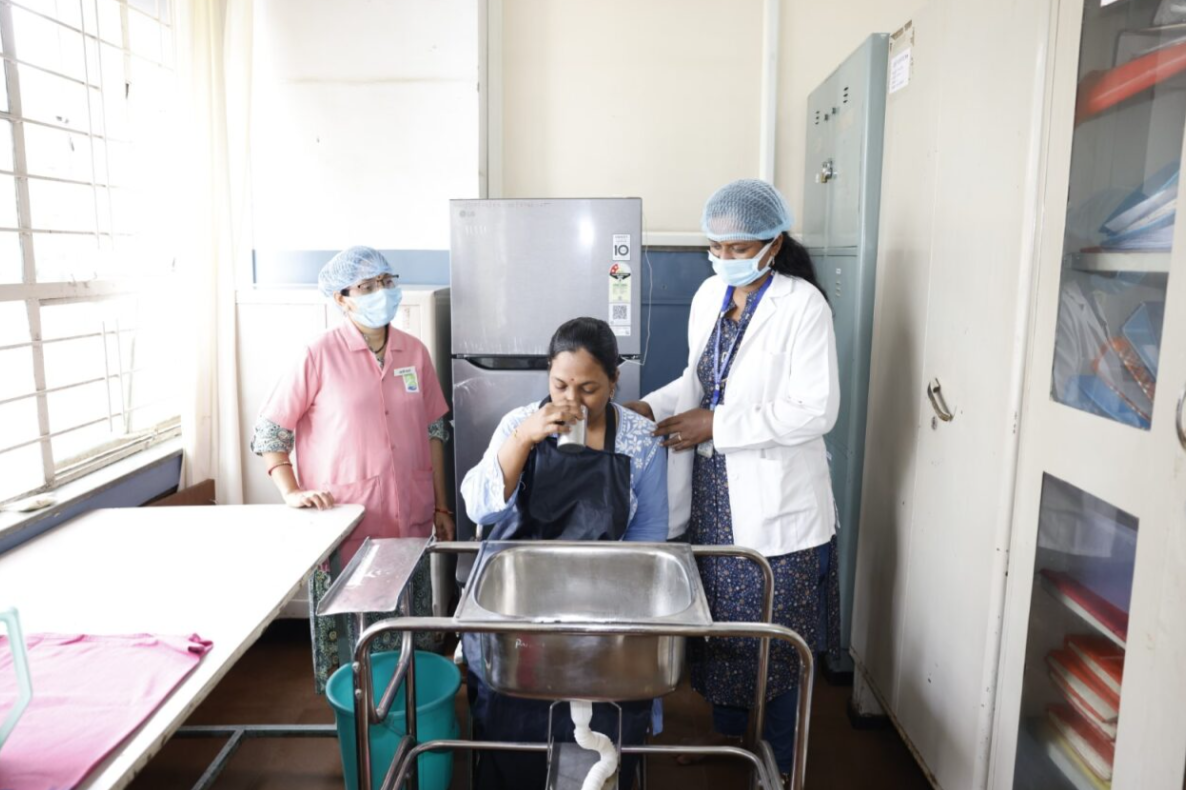
Vaman – Therapeutic Emesis
  • Preventive: Helps reduce recurrence of Kapha disorders such as asthma, allergies, and chronic skin issues
  • Curative: Useful in Kasa (chronic cough), Shwasa (bronchial asthma), Sthaulya (obesity), Kushtha (skin diseases), and psychiatric conditions linked to Kapha imbalance
Virechan – Therapeutic Purgation
  • Preventive: Protects against Pitta-related ailments like acidity, liver disorders, and skin eruptions
  • Curative: Effective for Kamala (jaundice), Grahani (colitis), Amlapitta (hyperacidity), Ardhavabhedaka (migraine), Kushtha (eczema, psoriasis), and liver dysfunction
Basti – Medicated Enema

Known as Ardha Chikitsa (half of all Ayurvedic treatment)

  • Preventive: Prevents Vata disorders such as neurological, degenerative, and musculoskeletal diseases
  • Curative: Beneficial in Amavata (rheumatoid arthritis), Gridhrasi (sciatica), Pakshaghata (paralysis), Anaha (constipation), and Vandhyatva (infertility)
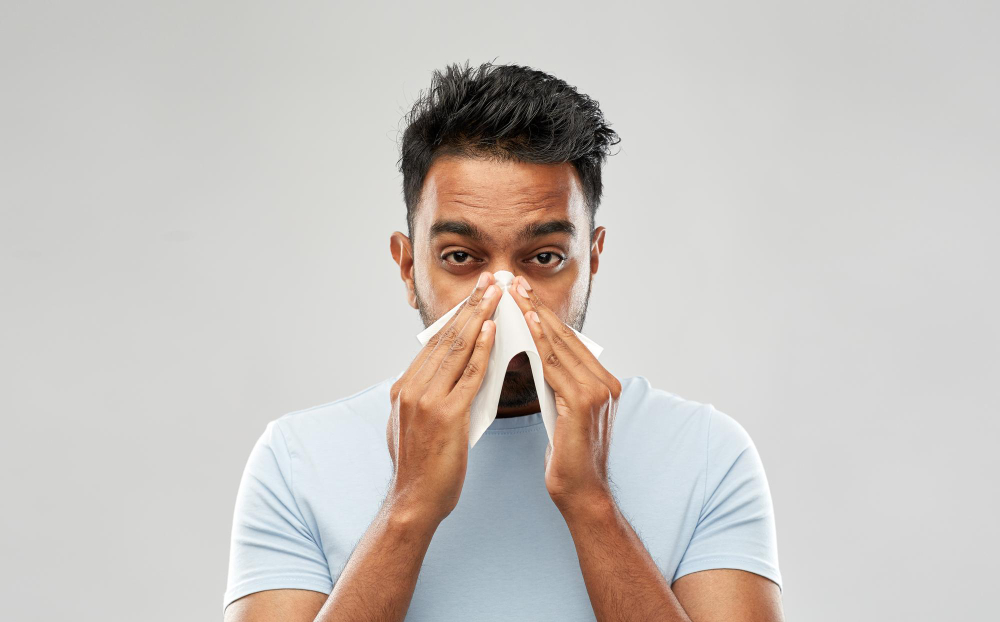
Nasya – Nasal Therapy
  • Preventive: Maintains the health of the head region, improves sensory organ function, and prevents ENT-related conditions
  • Curative: Helpful in Dushta Pratishyaya (sinusitis), Ardhavabhedaka (migraine), Manyastambha (cervical spondylosis), Ardita (facial palsy), memory loss, and hair fall
Raktamokshana – Bloodletting Therapy
  • Preventive: Purifies Rakta Dhatu and helps prevent chronic skin and blood-related disorders
  • Curative: Useful for Raktagata Vata (hypertension), Siragranthi (varicose veins), Vidradhi (abscess), Vatarakta (gout), Sheetapitta (urticaria), and Yuvana Pidaka (acne)

Conditions Managed with Panchakarma

Amlapitta, Grahani, Yakrit Vikara (liver conditions)

Shwasa, Kasa, Tamaka Shwasa

Amavata, Sandhivata, Gridhrasi, Pakshaghata

Kushtha, Shwitra, Dadru (eczema, psoriasis, vitiligo)

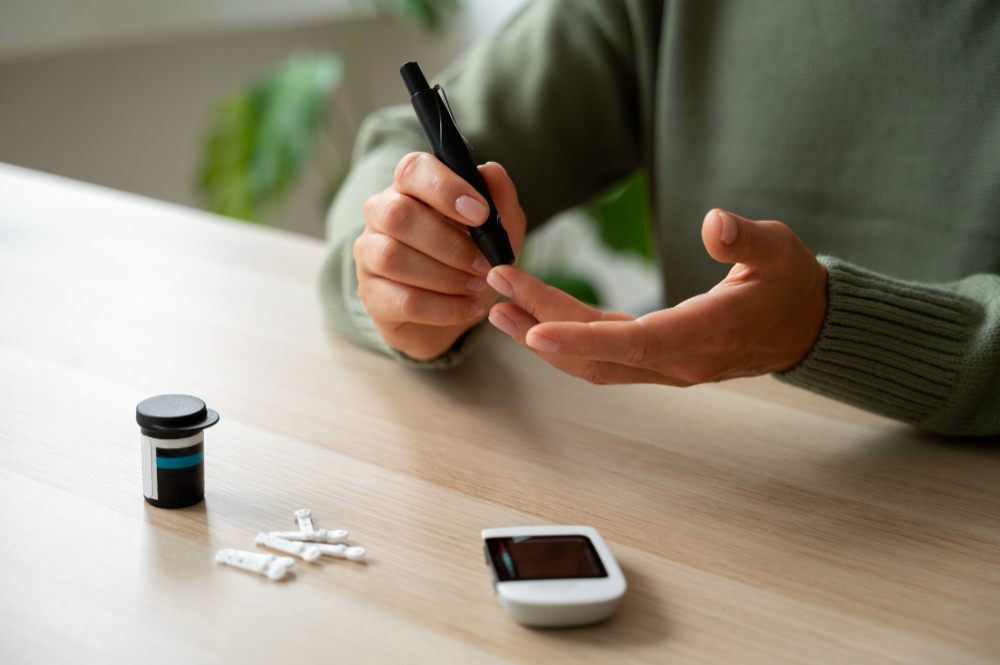
diabetes (Prameha), obesity (Sthaulya), hypertension

infertility, menstrual irregularities

insomnia, anxiety, stress-related conditions

The Panchakarma Process at Bharati Ayurved Hospital

Purva Karma (Preparatory Phase)
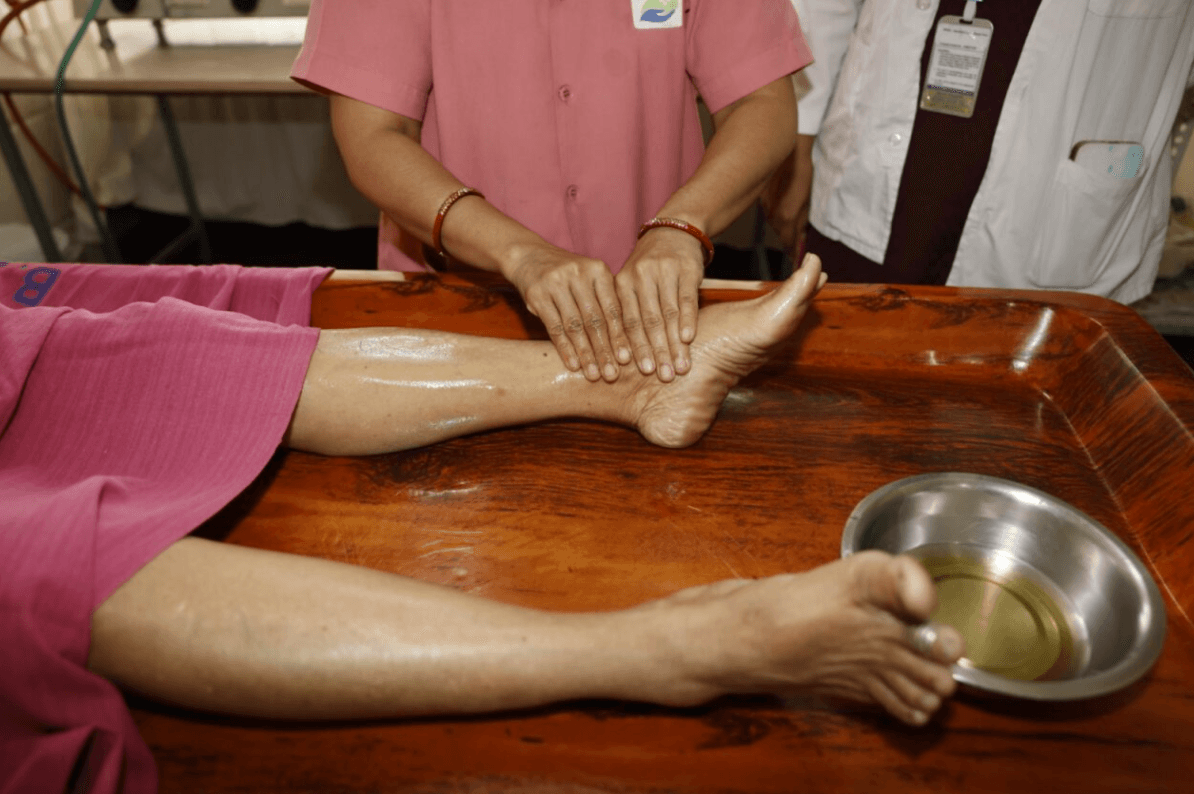
  • Snehana: Internal and external oleation with medicated ghee or oils
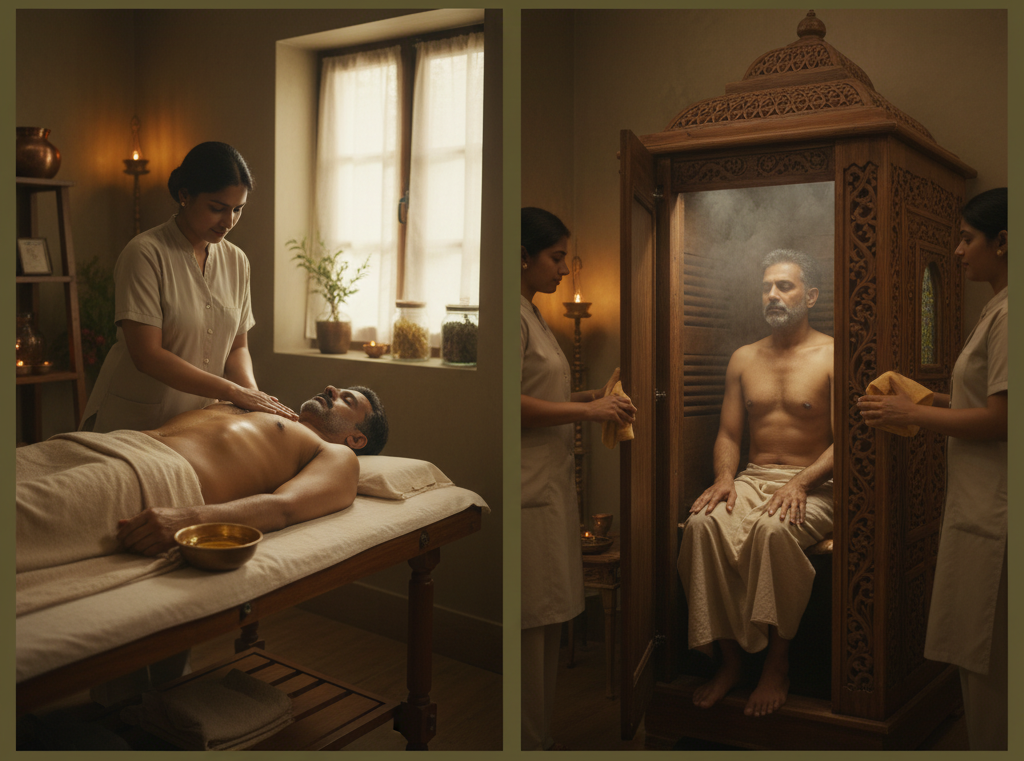
  • Swedana: Induced sweating to mobilize toxins
Pradhana Karma
(Main Therapies)
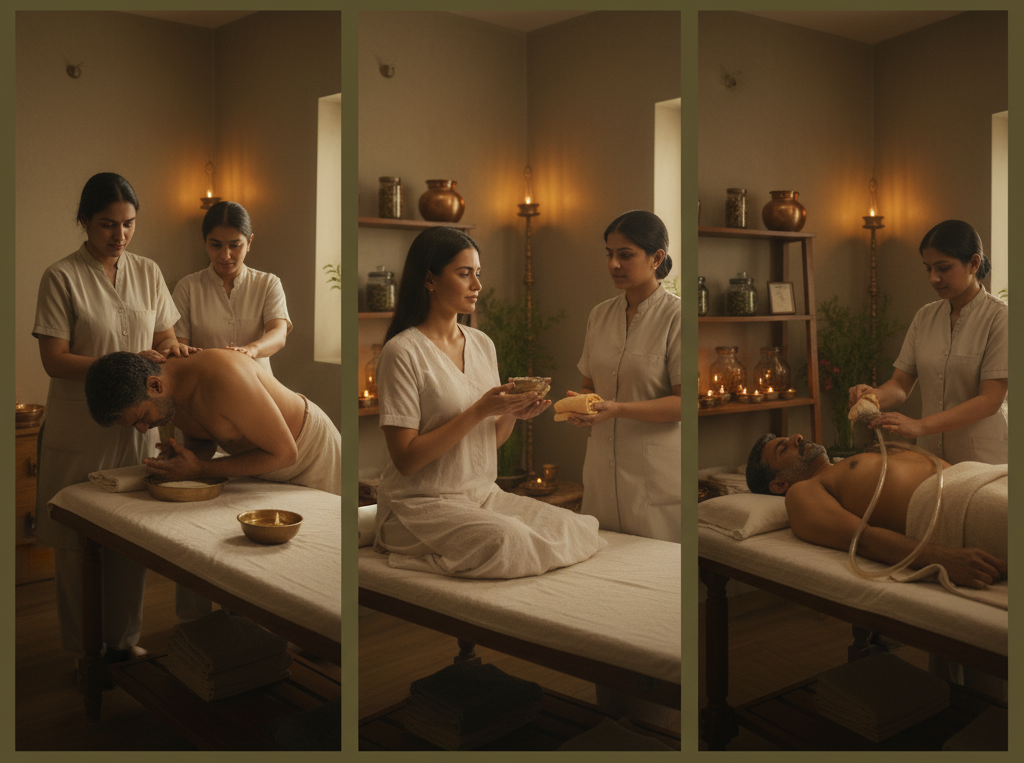
  • The five Panchakarma procedures (Vaman, Virechan, Basti, Nasya, Raktamokshana) are chosen according to disease and constitution
Paschat Karma
(Post-Therapy Care)
  • Samsarjana Krama: Gradual dietary regimen to restore digestion
  • Rasayana (rejuvenation) and lifestyle guidance (Dinacharya, Ritucharya) for long-term health benefits

Panchakarma & Rasayan Vajikaran

Panchakarma forms the base for Rasayana (rejuvenation) and Vajikaran (vitality therapy):

Srotoshodhana

Cleanses body channels and balances Doshas

Āma Nivarana

Eliminates toxins and strengthens Agni

Jara Nirodhana

Slows aging through tissue renewal and preservation of Ojas

Shukra Dhatu Poshan

Nourishes reproductive tissues, supporting fertility, vitality, and sexual health

Arogya Prapti

Establishes a disease-free state and strengthens immunity

Patient Journey – Panchakarma Therapy

STEP 1
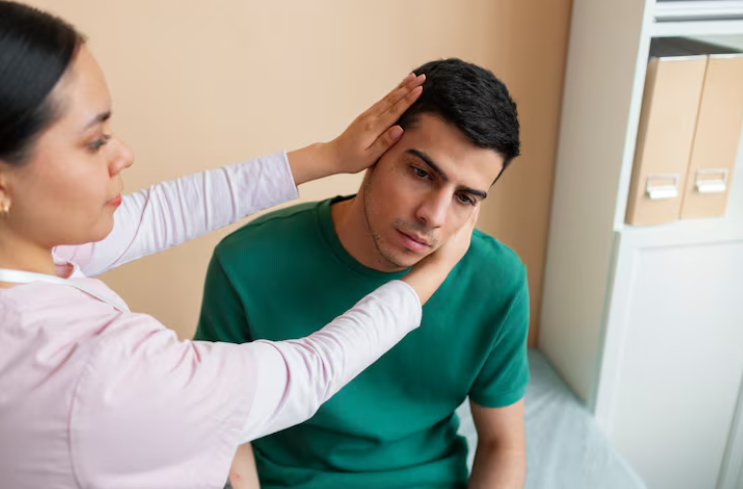
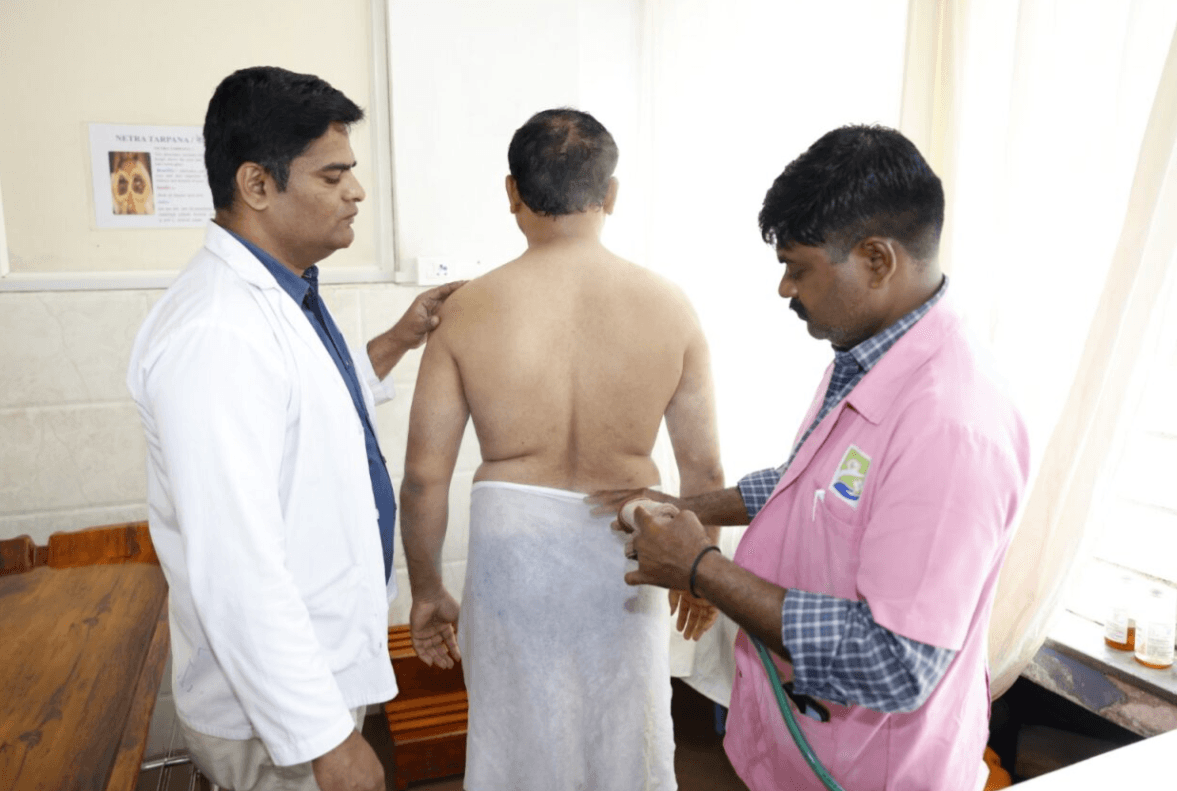
Consultation & Assessment
Your Panchakarma journey begins with a detailed consultation where expert Vaidyas evaluate your Prakriti-Vikriti, health history, and lifestyle to understand your unique constitution and imbalances.
STEP 2
Personalized Treatment Planning
Based on the assessment, a customized Panchakarma protocol is designed, selecting therapies, herbal formulations, and lifestyle modifications tailored to your needs.
STEP 3
Preparation (Purva Karma)
Gentle preparatory procedures such as oil massages, mild detoxification, and dietary adjustments prepare the body for effective therapy.
STEP 4
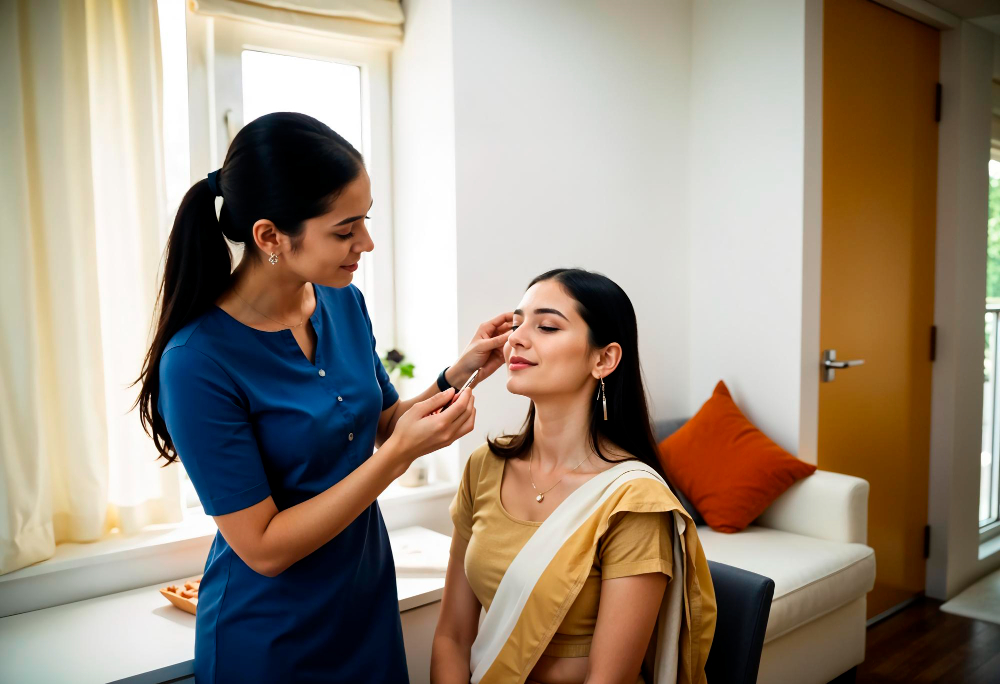
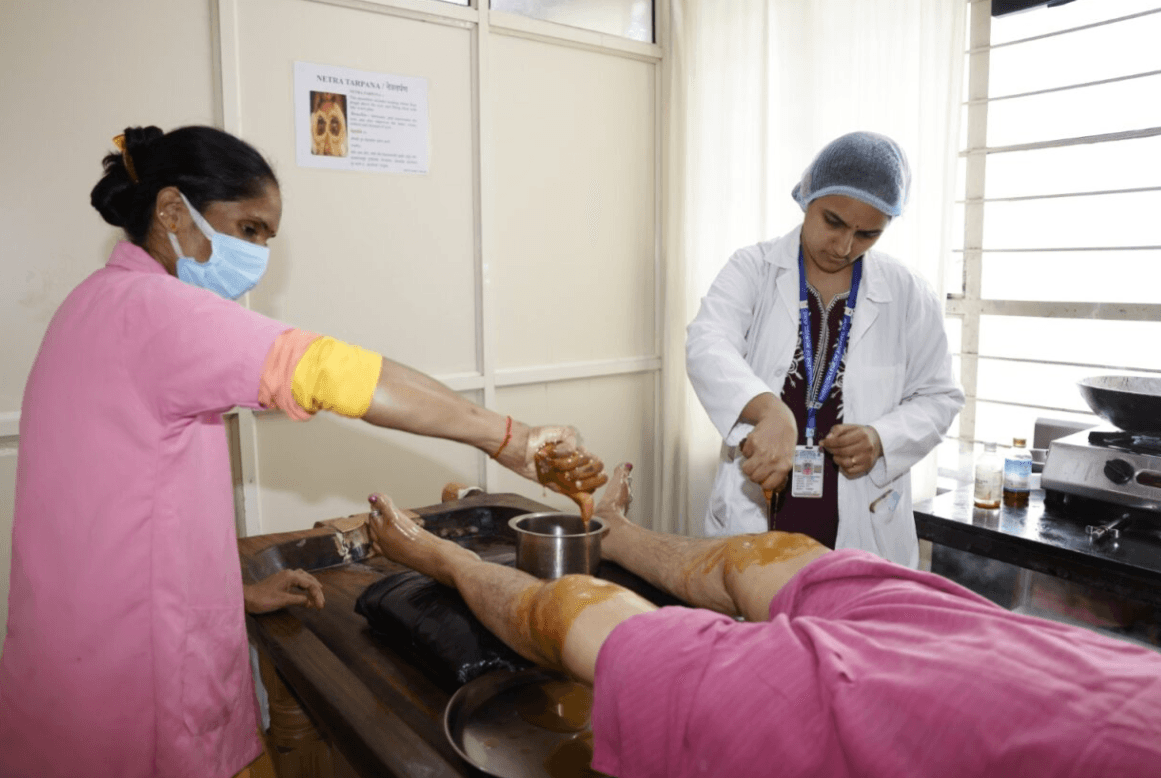
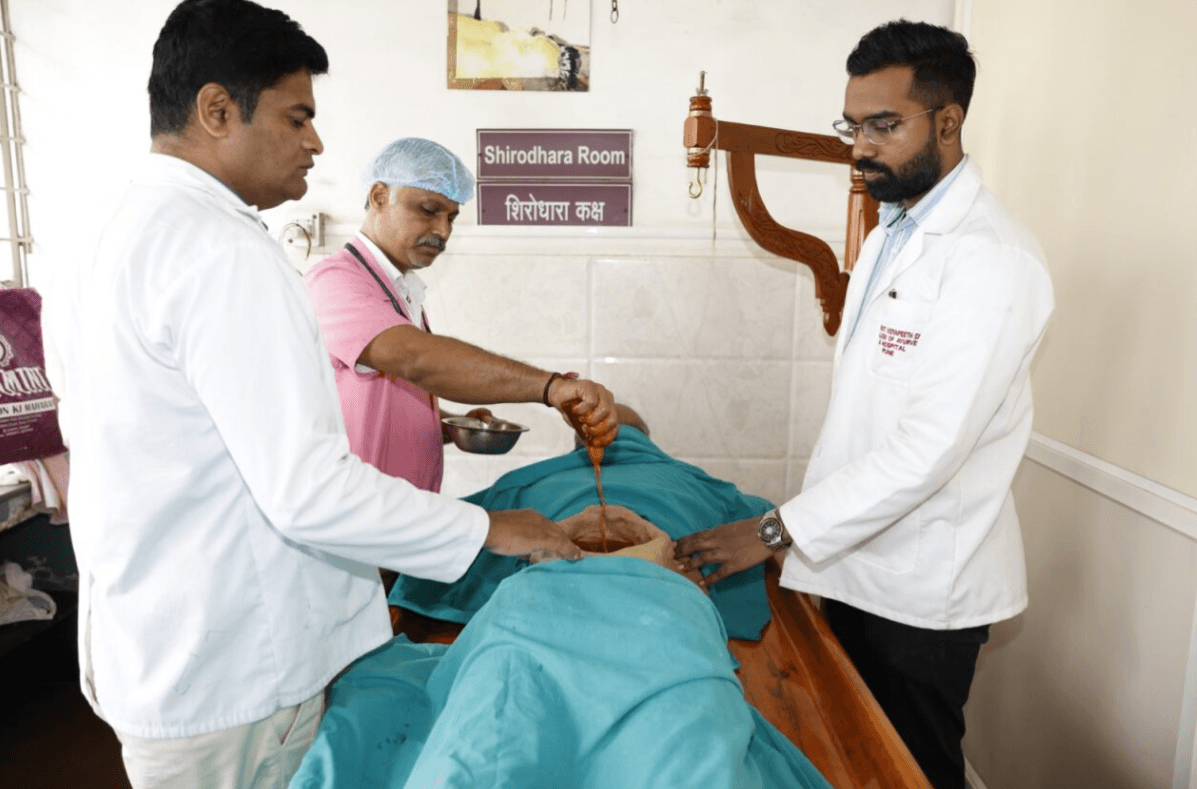
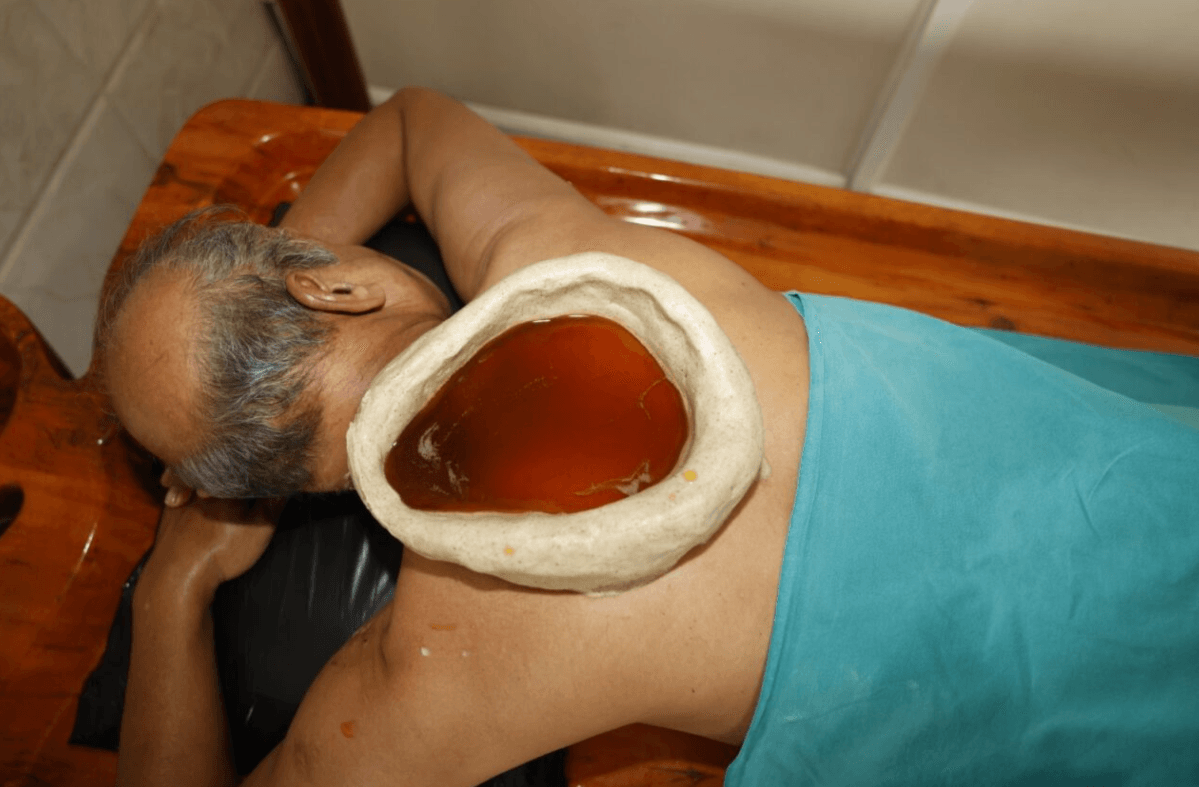
Panchakarma Therapy Sessions
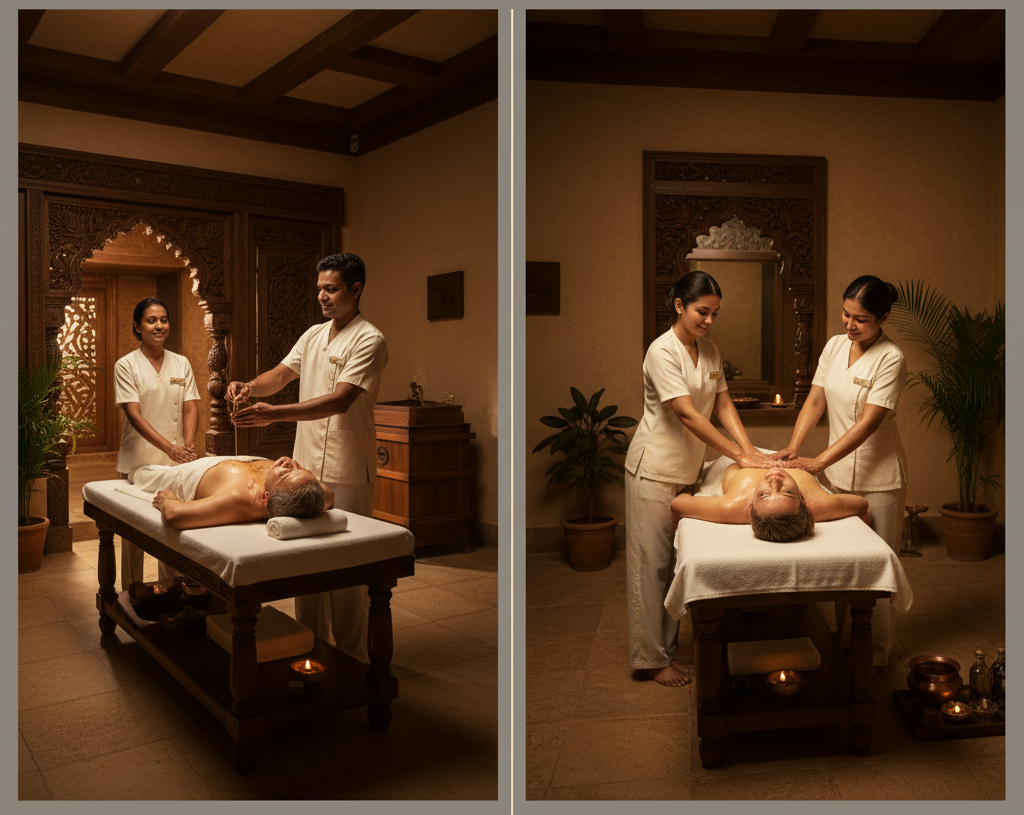
Therapies including Virechana, Basti, Nasya, Abhyanga, Shirodhara, and other classical treatments are administered under trained supervision in a safe and serene environment.
STEP 5
Supportive Care During Therapy
Patients receive guidance on Ahara-Vihara Paricharya (diet and lifestyle), rest, and relaxation techniques, along with access to Panchakarma facilities and herbal support.
STEP 6
Post-Treatment Guidance
After therapy, doctors provide dietary, lifestyle, and self-care recommendations to maintain the benefits, enhance immunity, and prevent recurrence of ailments.
STEP 7
Follow-Up & Monitoring
Regular follow-ups track your progress, ensuring continued wellbeing and allowing timely adjustments to your regimen for long-term health.

Facilities & Expertise

Frequently Asked Questions

How long does Panchakarma treatment take?

The duration varies according to the procedure and health condition. It may range from 7 days for short detox programs to 21–30 days for complete Shodhana Chikitsa.

Who should undergo Panchakarma?


Anyone experiencing chronic illnesses, lifestyle disorders (diabetes, obesity, hypertension), stress, insomnia, or simply seeking preventive detoxification and rejuvenation can benefit. Suitability is determined after a detailed consultation with a Vaidya.

Is Panchakarma safe?


Yes. When performed under the guidance of trained Ayurvedic doctors, Panchakarma is safe and customized to each patient’s constitution (Prakriti) and disease condition (Vikriti).

Will I have to stop my modern medicines during Panchakarma?


Not necessarily. Many patients continue essential medications alongside Panchakarma. Our doctors provide integrative guidance to ensure safety and compatibility.

Are Panchakarma therapies painful?


No. Panchakarma is gentle and natural. Some therapies may cause mild discomfort during toxin elimination, but patients usually feel relieved and rejuvenated afterwards.

How often should Panchakarma be done?


For preventive health, once or twice a year (especially during seasonal transitions) is recommended. For chronic conditions, frequency depends on medical advice.

What results can I expect after Panchakarma?

Most patients report:

  • Improved digestion and metabolism (Agni Dīpana)
  • Reduced stress, anxiety, and insomnia
  • Relief in joint pain and stiffness
  • Clearer skin and improved complexion
  • Enhanced immunity and energy levels
  • A deep sense of rejuvenation (Rasayana effect)

Begin Your Panchakarma Journey Today

Experience authentic Panchakarma in Pune at Bharati Ayurved Hospital, where classical Ayurvedic wisdom blends with modern healthcare standards. Cleanse, rejuvenate, and rediscover your natural state of health.
OPD Timings: Monday–Saturday | 10 AM – 5 PM