
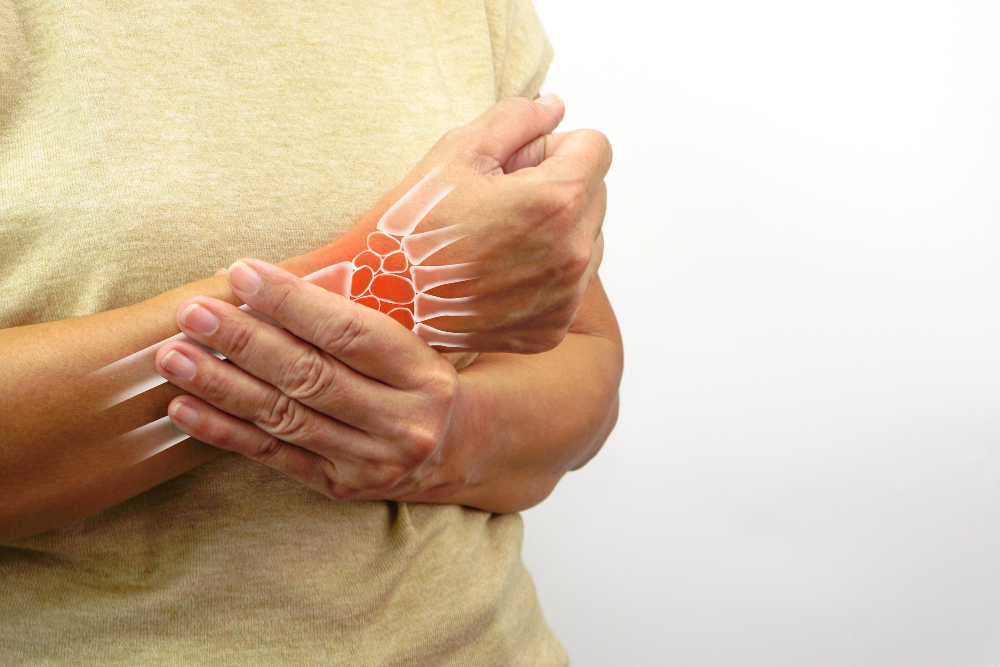
Joint pain affects millions worldwide, limiting mobility, reducing quality of life, and often leading to dependence on pharmaceutical painkillers with concerning side effects. While conventional medicine offers symptomatic relief, many people are discovering that Ayurvedic approaches provide lasting solutions by addressing the root causes of joint disorders. This comprehensive exploration reveals how ancient healing wisdom offers hope for those seeking natural, effective alternatives to manage arthritis and chronic joint pain.
Understanding Joint Pain Through the Ayurvedic Lens
Ayurveda views joint pain not as an isolated symptom but as a manifestation of underlying imbalances in the body’s fundamental energies called doshas. According to this 5,000-year-old system, arthritis primarily results from aggravated Vata dosha, characterized by qualities of dryness, coldness, and irregularity. When Vata becomes imbalanced, it accumulates in joints, causing inflammation, stiffness, and pain.
However, Ayurveda recognizes different types of arthritis based on which doshas are predominantly involved. Vata-type arthritis presents with variable pain, cracking sounds in joints, and worsening symptoms in cold weather. Pitta-type arthritis involves burning sensations, swelling, and inflammatory changes. Kapha-type arthritis manifests as stiffness, heaviness, and fluid accumulation around joints.
This nuanced understanding allows for highly personalized treatment approaches that address each individual’s unique constitution and specific imbalance pattern. Rather than applying one-size-fits-all solutions, Ayurvedic practitioners design protocols targeting the particular dosha disturbances causing joint problems.
The Root Causes: Why Conventional Treatment Falls Short
Modern medicine typically manages arthritis through non-steroidal anti-inflammatory drugs, disease-modifying antirheumatic drugs, and in severe cases, joint replacement surgery. While these interventions provide symptomatic relief, they don’t address the underlying causes of joint deterioration. Additionally, long-term pharmaceutical use carries risks including gastrointestinal problems, cardiovascular complications, and kidney damage.
Ayurveda identifies several root causes that conventional medicine often overlooks. Poor digestion leads to accumulation of ama (toxins) that circulate through the bloodstream and deposit in joints, triggering inflammatory responses. Improper dietary choices, particularly excessive intake of cold, dry, or incompatible foods, aggravate Vata and compromise joint health. Lack of proper exercise leads to reduced circulation and accumulation of metabolic waste in joint tissues.
Emotional factors also play significant roles. Chronic stress, anxiety, and unresolved emotions disturb Vata dosha, manifesting physically as joint pain and stiffness. Ayurvedic treatment addresses these multifaceted causes simultaneously, creating conditions for genuine healing rather than mere symptom suppression.
Powerful Ayurvedic Herbs for Joint Health
Ayurvedic pharmacology offers remarkable herbs with proven anti-inflammatory and joint-protective properties. Ashwagandha, one of Ayurveda’s most revered herbs, reduces inflammation, strengthens muscles supporting joints, and helps the body adapt to stress. Research demonstrates its effectiveness in reducing pain intensity and improving joint function in arthritis patients.
Guggulu, derived from the resin of the Commiphora mukul tree, possesses potent anti-inflammatory properties comparable to pharmaceutical drugs but without adverse effects. This herb specifically targets joint inflammation, reduces swelling, and supports healthy circulation to affected areas. Traditional formulations combining guggulu with other herbs create synergistic effects that enhance therapeutic outcomes.
Shallaki (Boswellia serrata) contains boswellic acids that inhibit inflammatory pathways without causing gastrointestinal damage associated with conventional anti-inflammatory medications. Clinical studies show significant improvements in joint pain, stiffness, and mobility among arthritis patients taking standardized boswellia extracts.
Turmeric, containing the powerful compound curcumin, has gained worldwide recognition for its anti-inflammatory properties. Ayurvedic preparations enhance curcumin absorption through combination with black pepper and healthy fats, maximizing therapeutic benefits. Regular consumption reduces joint inflammation, protects cartilage from degradation, and may slow arthritis progression.
Transformative Panchakarma Therapies for Joint Pain
Beyond herbal interventions, Ayurveda offers specialized therapies that directly target joint disorders. Abhyanga, therapeutic oil massage using warm medicated oils, improves circulation, reduces stiffness, and calms aggravated Vata. When performed regularly, abhyanga prevents toxin accumulation in joints and maintains tissue flexibility.
Swedana, or sudation therapy, induces controlled sweating that mobilizes toxins from deep tissues. This treatment opens cellular channels, allowing toxins trapped in joints to move toward elimination pathways. Patients often experience immediate relief as tension releases and circulation improves.
Janu Basti represents a specialized treatment where warm medicated oil is pooled over the knee joint for extended periods. This therapy deeply penetrates joint tissues, nourishes cartilage, reduces inflammation, and provides remarkable pain relief. Similar treatments can be adapted for other joints including shoulders, elbows, and hips.
Basti therapy, involving medicated enema administration, proves extraordinarily effective for Vata disorders including arthritis. This treatment directly addresses Vata imbalance in its primary site, the colon, creating systemic effects that extend to joints throughout the body. Many patients experience significant improvement in mobility and pain reduction following properly administered basti courses.
Dietary Wisdom for Joint Health
Ayurveda emphasizes that food serves as medicine when chosen wisely. For joint health, practitioners recommend warm, cooked foods that are easy to digest and don’t aggravate Vata. Including healthy fats like ghee, olive oil, and sesame oil lubricates joints and supports nutrient absorption. Warming spices including ginger, cinnamon, and turmeric reduce inflammation and enhance digestive fire.
Foods to avoid include cold beverages, raw vegetables, dried fruits, and beans, which increase Vata and can worsen joint symptoms. Nightshade vegetables like tomatoes, potatoes, and eggplants may trigger inflammation in some individuals. Processed foods, refined sugars, and excessive salt consumption promote inflammatory processes throughout the body.
Timing matters as much as food choices. Ayurveda recommends eating the largest meal at midday when digestive fire peaks, consuming dinner at least three hours before bedtime, and avoiding snacking between meals to allow complete digestion. This approach prevents ama accumulation that contributes to joint disorders.
Yoga and Movement: The Gentle Path to Joint Strength
While rest seems logical when joints hurt, prolonged immobility actually worsens arthritis by reducing circulation and promoting stiffness. Ayurveda prescribes gentle, appropriate movement to maintain joint flexibility and strength. Yoga offers ideal exercises that strengthen muscles supporting joints without causing excessive stress or impact.
Specific poses benefit different joints. For knee arthritis, poses like supported bridge pose, reclining leg stretches, and gentle warrior poses strengthen quadriceps while improving knee stability. Shoulder arthritis responds well to cow-face pose arms, eagle pose arms, and supported shoulder rotations. Hip arthritis benefits from supine leg rotations, reclined pigeon pose, and seated forward folds.
The key lies in practicing within comfortable limits, never forcing joints beyond natural range of motion. Props like blocks, straps, and bolsters make poses accessible while reducing strain. Breathing techniques practiced during yoga calm the nervous system, reducing stress-related muscle tension that exacerbates joint pain.
Lifestyle Modifications for Lasting Relief
Beyond specific treatments, Ayurveda emphasizes daily routines that support joint health. Maintaining regular sleep schedules, particularly going to bed before 10 PM, allows the body’s natural repair mechanisms to function optimally. Adequate sleep reduces inflammation and supports tissue regeneration.
Managing stress through meditation, pranayama (breathing exercises), and spending time in nature helps regulate Vata dosha and prevents stress-related joint pain flares. Even ten minutes of daily meditation produces measurable reductions in inflammatory markers and pain perception.
Protecting joints from cold and damp weather prevents Vata aggravation. Dressing warmly, particularly covering joints during cooler months, and avoiding cold showers in the morning helps maintain balance. Gentle oil massage before bathing provides additional protection and nourishment.
Integrating Ayurvedic and Conventional Approaches
Many progressive patients and physicians now recognize the value of combining Ayurvedic and conventional treatments. This integrative approach allows patients to reduce pharmaceutical dependence while addressing root causes. However, any changes to medication regimens must occur under medical supervision.
Ayurvedic treatments can complement conventional therapies, often reducing side effects and enhancing outcomes. For instance, patients undergoing physiotherapy may accelerate progress by incorporating Ayurvedic oil treatments and anti-inflammatory herbs. Those taking minimal pain medications might achieve better control through dietary modifications and targeted herbal support.
Case Studies: Real Results from Ayurvedic Treatment
Clinical experience reveals remarkable outcomes when Ayurvedic principles are properly applied. Patients with osteoarthritis often report significant pain reduction, improved mobility, and enhanced quality of life after three months of comprehensive Ayurvedic treatment including herbs, therapies, and lifestyle modifications.
Rheumatoid arthritis patients, while typically requiring longer treatment periods, frequently achieve substantial improvement in morning stiffness, joint swelling, and overall disease activity. Many successfully reduce pharmaceutical dependence under medical guidance while maintaining symptom control through Ayurvedic protocols.
Your Path Forward: Starting Your Ayurvedic Journey
Beginning Ayurvedic treatment for joint pain starts with consultation at a qualified facility offering authentic therapies. Experienced practitioners assess your unique constitution, current imbalance patterns, and specific symptoms to design personalized treatment plans.
Initial improvements may appear within weeks, but genuine transformation requires patience and consistency. Most practitioners recommend minimum three-month treatment courses for chronic joint conditions, with ongoing maintenance protocols to prevent recurrence.
The investment in Ayurvedic care often proves worthwhile when conventional approaches provide limited relief or cause unacceptable side effects. Many patients discover that addressing joint health through Ayurvedic principles creates unexpected benefits extending throughout their entire system, including improved digestion, better sleep, enhanced energy, and greater emotional balance.
“Suffering from arthritis or chronic joint pain? Get natural, lasting relief with Kati Basti, Abhyanga & Panchakarma at Bharati Ayurved Hospital, Pune. Book your pain relief consultation now.”
Conclusion: Reclaiming Pain-Free Movement
Joint pain need not define your life or limit your activities. Ayurvedic medicine offers time-tested, natural solutions that address root causes while providing genuine relief. By understanding your unique constitution, making appropriate dietary and lifestyle modifications, and utilizing powerful herbal medicines and therapeutic procedures, you can reclaim the joy of pain-free movement.
Whether you’re dealing with early joint discomfort or advanced arthritis, Ayurvedic approaches offer hope and practical solutions. Consulting qualified practitioners at accredited facilities ensures you receive authentic treatments tailored to your specific needs, setting the foundation for lasting joint health and overall vitality.