In today’s fast-paced world, our bodies accumulate toxins from processed foods, environmental pollution, stress, and sedentary lifestyles. While modern medicine offers numerous solutions, an ancient healing system has been quietly revolutionizing wellness for over 5,000 years. Panchakarma, the cornerstone of Ayurvedic detoxification, is gaining unprecedented attention from health enthusiasts and medical professionals alike. This comprehensive guide explores how this time-tested therapy can transform your health from the inside out.
What Exactly Is Panchakarma?
Panchakarma, derived from Sanskrit words “Pancha” meaning five and “Karma” meaning actions, represents a profound system of five therapeutic procedures designed to cleanse the body of accumulated toxins. Unlike quick-fix detox programs that promise overnight results, Panchakarma addresses the root cause of diseases by eliminating deep-seated impurities from tissues and restoring the body’s natural balance.
The five primary procedures include Vamana (therapeutic vomiting), Virechana (purgation therapy), Basti (medicated enema), Nasya (nasal administration), and Raktamokshana (bloodletting). Each treatment targets specific doshas and organs, creating a comprehensive approach to healing that considers your unique body constitution.
The Science Behind Traditional Wisdom
Modern research increasingly validates what Ayurvedic practitioners have known for millennia. Panchakarma works by mobilizing and eliminating ama (toxins) that accumulate in bodily tissues due to improper digestion, unhealthy lifestyle choices, and environmental factors. These toxins block cellular communication, disrupt metabolic processes, and create an environment conducive to chronic diseases.
The therapy operates in three distinct phases. Purvakarma (preparatory procedures) includes oleation and sudation therapies that loosen toxins from deep tissues. Pradhanakarma comprises the five main cleansing procedures tailored to individual needs. Finally, Paschatkarma involves rejuvenation therapies and dietary guidelines that help rebuild tissues and strengthen immunity.
Scientific studies have demonstrated Panchakarma’s effectiveness in reducing inflammation markers, improving cardiovascular health, enhancing cognitive function, and promoting hormonal balance. The therapy stimulates the body’s natural detoxification pathways, supporting liver function, improving gut health, and enhancing cellular regeneration.
Who Should Consider Panchakarma Therapy?
Panchakarma isn’t exclusively for those battling serious health conditions. This versatile therapy benefits anyone seeking to optimize their wellness. Individuals experiencing chronic fatigue, digestive disorders, joint pain, skin problems, or stress-related conditions often find remarkable relief through properly administered Panchakarma treatments.
The therapy proves particularly beneficial during seasonal transitions when the body naturally undergoes changes. Spring and autumn are traditionally considered ideal times for Panchakarma, as these periods align with the body’s natural cleansing cycles. However, with proper medical guidance, treatments can be customized for any season.
Athletes and fitness enthusiasts increasingly turn to Panchakarma for enhanced performance and faster recovery. The therapy improves circulation, reduces muscle tension, and eliminates metabolic waste products that accumulate during intense physical activity. Similarly, professionals dealing with high-stress environments use Panchakarma to combat burnout and restore mental clarity.
The Panchakarma Experience: What to Expect
Understanding the Panchakarma journey helps set realistic expectations and maximizes benefits. The process begins with a thorough consultation where experienced Ayurvedic physicians assess your prakriti (natural constitution), current health status, and specific concerns. This personalized approach ensures treatments align with your unique needs.
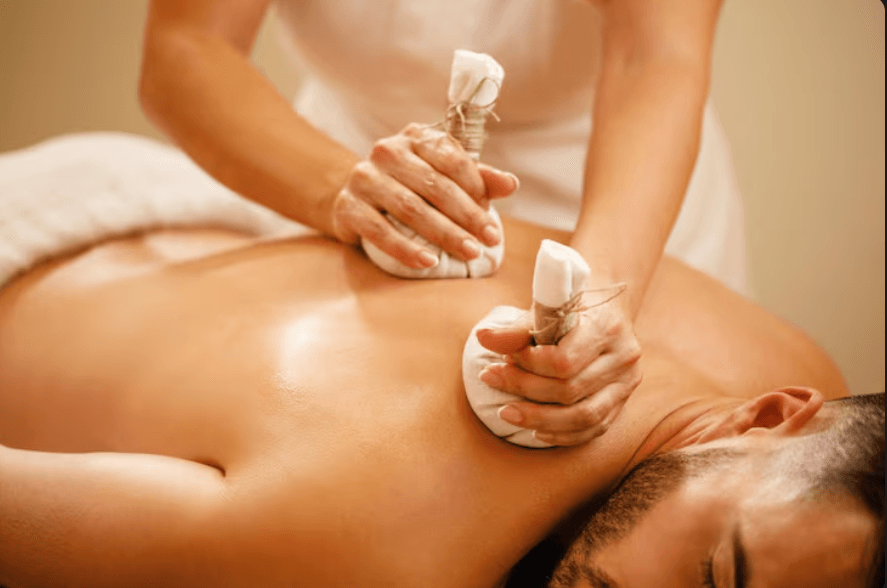
During the preparatory phase, you’ll undergo Snehana (oil therapy) where warm medicated oils are applied externally through massage or taken internally. This oleation process, typically lasting three to seven days, allows toxins to move from deep tissues into the gastrointestinal tract for elimination. Simultaneously, Swedana (sudation therapy) involves controlled sweating that further mobilizes toxins and opens cellular channels.
The main treatment phase intensity varies based on individual constitution and health goals. Some patients require gentle procedures while others benefit from more intensive protocols. Throughout the process, experienced therapists monitor your progress, adjusting treatments as needed to ensure comfort and effectiveness.
Beyond Physical Detoxification: Mental and Emotional Benefits
Panchakarma’s impact extends far beyond physical purification. Ancient texts describe the therapy as a path to mental clarity and emotional balance, claims now supported by contemporary understanding of the gut-brain axis and psychoneuroimmunology.
Many patients report profound improvements in sleep quality, emotional stability, and mental focus following Panchakarma. The therapy appears to reset stress response systems, reducing cortisol levels and promoting parasympathetic nervous system activation. This physiological shift creates space for healing that penetrates multiple dimensions of health.
The meditative quality of daily treatments, combined with the peaceful environment typically provided during Panchakarma, offers a rare opportunity for introspection and self-reflection. Patients often emerge with renewed clarity about life priorities, healthier behavior patterns, and enhanced emotional resilience.
Integrating Panchakarma with Modern Healthcare
One of Panchakarma’s greatest strengths lies in its compatibility with conventional medical treatments. Progressive healthcare facilities now offer integrative approaches that combine the best of both worlds. Patients undergoing cancer treatments, managing chronic conditions, or recovering from surgery increasingly incorporate Panchakarma to enhance conventional therapy outcomes and manage side effects.
However, this integration requires careful coordination between Ayurvedic practitioners and conventional physicians. Certain medications may need adjustment during Panchakarma, and some health conditions require modified treatment protocols. Always seek treatment at accredited facilities with experienced practitioners who understand both traditional Ayurvedic principles and modern medical standards.
Choosing the Right Panchakarma Center
The quality of your Panchakarma experience depends heavily on facility standards and practitioner expertise. NABH-accredited hospitals and centers affiliated with reputable institutions offer greater assurance of proper protocols and hygiene standards. Look for facilities that employ qualified Ayurvedic physicians, use authentic organic oils and herbs, maintain transparent communication about treatment plans, and provide comprehensive post-treatment guidance.
Authentic Panchakarma requires time commitment, typically ranging from seven to twenty-one days depending on treatment intensity. Be wary of programs promising complete detoxification in just a few days. Genuine transformation requires allowing your body adequate time to eliminate toxins and rebuild tissues properly.
Post-Panchakarma: Sustaining Your Results
The real work begins after treatment ends. Panchakarma creates a clean foundation, but maintaining results requires ongoing commitment to healthy lifestyle practices. Your Ayurvedic physician will provide personalized dietary recommendations, herbal supplements, yoga practices, and daily routines that support long-term wellness.
Most practitioners suggest continuing specific dietary restrictions for at least a week post-treatment, gradually reintroducing foods while monitoring digestive response. This transition period allows your renewed system to strengthen before facing dietary challenges. Regular follow-up consultations help address concerns and adjust protocols as needed.
Many individuals schedule annual or bi-annual Panchakarma treatments as preventive healthcare, maintaining the deep cleansing and rejuvenation benefits. This proactive approach to wellness represents a paradigm shift from reactive disease management to genuine health cultivation.
Experience classical Panchakarma treatment in Pune at Bharati Ayurved Hospital — NABH-accredited, expert Vaidyas, authentic detox. Book your consultation today
Conclusion: Your Journey to Holistic Wellness
Panchakarma offers a unique opportunity to press the reset button on your health. This comprehensive therapy addresses the accumulation of physical toxins, mental stress, and emotional burdens that modern life inevitably creates. By combining ancient wisdom with contemporary understanding, Panchakarma provides a scientifically validated path to enhanced vitality, mental clarity, and emotional balance.
Whether you’re seeking relief from specific health concerns or simply want to optimize your wellness, Panchakarma’s personalized approach ensures treatments align with your unique needs. The investment of time and resources yields dividends that extend far beyond the treatment period, potentially transforming your relationship with health and well-being for years to come.
Ready to experience the transformative power of authentic Panchakarma? Consult with qualified Ayurvedic physicians at an accredited facility to discover how this ancient therapy can support your modern wellness journey.